

Hotter Summers and Rising Energy Costs: How Next-Generation Inverter Heat Pumps Can Provide Comfort and Savings
NEW YORK, June 02, 2026 (GLOBE NEWSWIRE) -- (Feature Impact) In the past decade, temperatures have reached record highs, according to NASA’s Goddard Institute for Space Studies, resulting in hotter summers that last longer and put increasing strain on home HVAC systems. As heating and cooling systems are pushed to run for extended periods, energy use, especially for cooling, is increasing in demand and costing homeowners more.
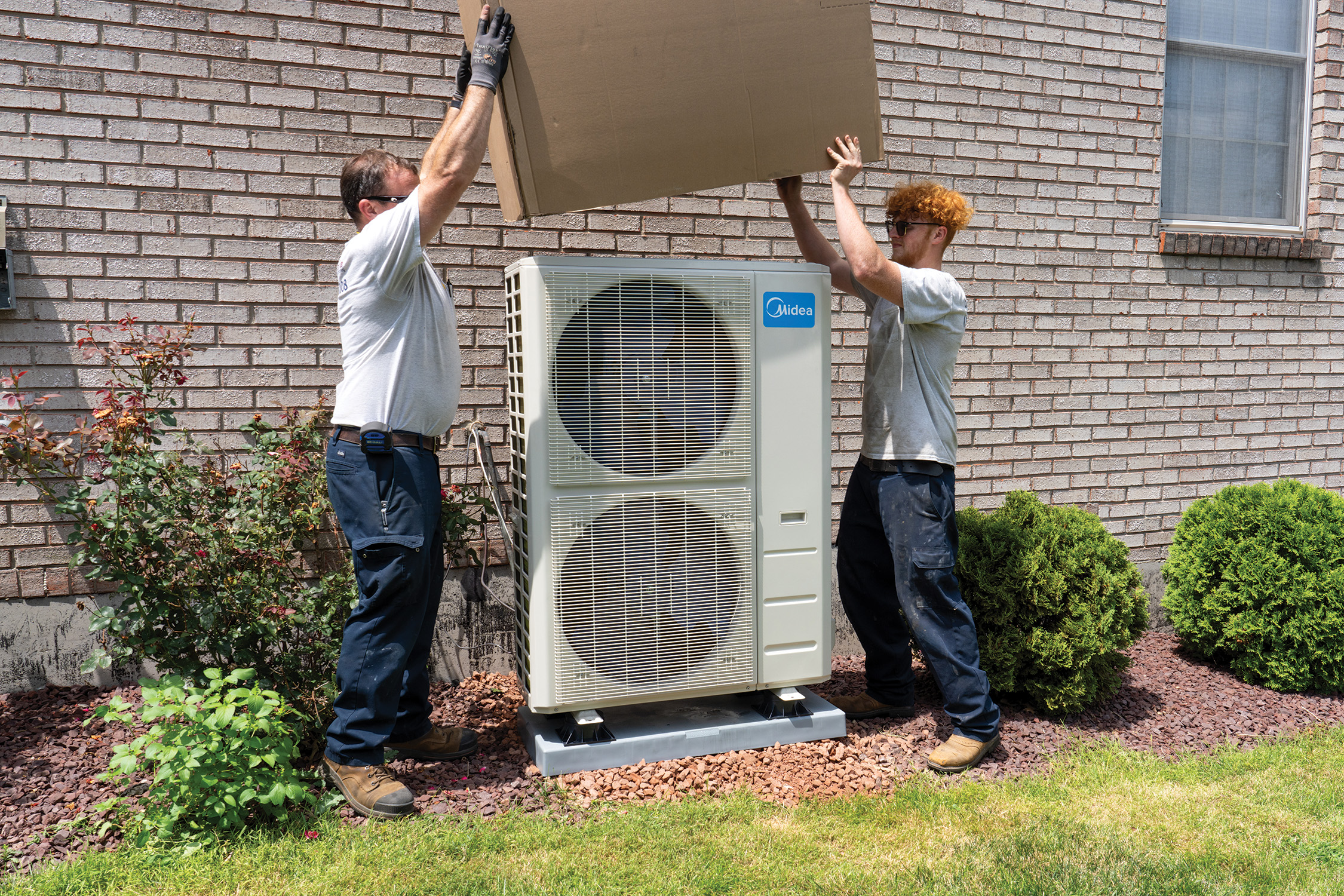
A Media Snippet accompanying this announcement is available by clicking on this link.
Modern, energy-efficient heat pump systems, like those offered by Midea, one of the world's largest producers of major appliances and a leading innovator in the HVAC industry, allow homeowners to easily replace existing, outdated central air units, mitigating the need for major electrical rewiring, ductwork or structural modifications. Utility rebate programs and government incentives can also help offset upfront costs, while the improved efficiency of a heat pump system can help lower energy bills and support long-term savings.
Rising Energy Costs Make Cooling More Expensive
Maintaining comfort during prolonged periods of heat is a growing financial burden. With heating and cooling accounting for about 43% of home energy use, according to the U.S. Department of Energy, HVAC systems are one of the largest contributors to monthly utility bills. As systems run longer to keep up with extended heat, energy costs soar, making efficiency an increasingly key factor in managing overall household expenses.
Aging HVAC Systems Struggle to Keep Up
From 2000-2009, approximately 14.6 million homes were constructed, according to Statista research, many of which now have HVAC systems reaching replacement age. As these systems age, they become less efficient and require more energy to maintain the same comfort level. As cooling seasons lengthen and hotter temperatures become more common, this decline in performance can contribute to higher energy costs and reduced reliability.
According to ENERGY STAR, systems more than 10 years old may no longer operate as efficiently as newer models. For homeowners looking to replace aging equipment, Midea's EVOX lineup is designed as a direct, drop-in replacement compatible with existing ductwork, thermostats and electrical infrastructure, delivering the benefits of modern inverter technology without the cost of a full system overhaul.
Smart Comfort Solutions to Support Homeowners’ Wallets
Modern heat pump technology offers a more cost-effective way to maintain home comfort while managing energy use. Unlike traditional systems such as furnaces and central air conditioners, heat pumps provide both heating and cooling in a single system and are designed to operate more efficiently across a wide range of temperatures.
Cold-climate inverter heat pumps can reduce reliance on auxiliary electric heat, helping improve overall system efficiency. Variable-speed heat pumps can also provide more consistent temperature control and improved dehumidification compared to standard central air conditioners.
Additional savings opportunities may be available through utility-based and state and local incentives, including tax credits for qualifying energy-efficient home improvements.
How to Know if a New System Will Reduce Energy Consumption
The cooling efficiency and energy consumption of central air conditioning systems can be compared by looking at the “Seasonal Energy Efficiency Ratio,” or “SEER.” Similar to a car’s miles per gallon rating, a higher rating means the system produces more cooling for every unit of electricity consumed. In 2023, DOE moved to SEER2, which is based on a stricter testing method that better reflects real-world conditions. Minimum regional SEER2 requirements for traditional central air conditions range from 13.4-14.3 and the DOE minimum for heat pump systems is 14.3. Higher-efficiency units offer SEER2 ratings of 16 and above.
Flexible Options for Every Home
As temperatures continue to rise and systems work harder to keep up, finding cost-efficient solutions is an increasingly important consideration. With solutions engineered for straightforward installation and compatibility with existing systems, ductwork and thermostats, Midea’s top-of-the-line EVOX lineup – available in All-Climate, Xtreme, Advance, Lite and PowerCool – is designed to adapt to changing conditions while delivering reliable, year-round performance and improved efficiency for those looking to upgrade aging equipment and manage long-term energy costs.
To learn more about how an inverter heat pump can provide improved efficiency and cost savings, visit MideaComfort.US to explore the full lineup.
Michael French
michael.french@featureimpact.com
https://editors.featureimpact.com/
About Feature Impact
Feature Impact is 4media group’s earned-first content solution for audience-ready storytelling at scale. Formerly Family Features, the editorial service delivers measurable earned media results and authentic consumer engagement through high-quality, topical and seasonally relevant multimedia content. Publicly-facing content is available at culinary.net and eLivingToday.com, with additional ready-to-publish resources for editors and journalists at editors.featureimpact.com. Learn more at featureimpact.com.

Legal Disclaimer:
EIN Presswire provides this news content "as is" without warranty of any kind. We do not accept any responsibility or liability for the accuracy, content, images, videos, licenses, completeness, legality, or reliability of the information contained in this article. If you have any complaints or copyright issues related to this article, kindly contact the author above.
