

July and August Can Be Prime Time for Mold: Pillar To Post Home Inspectors Offers Summer Tips for Homeowners
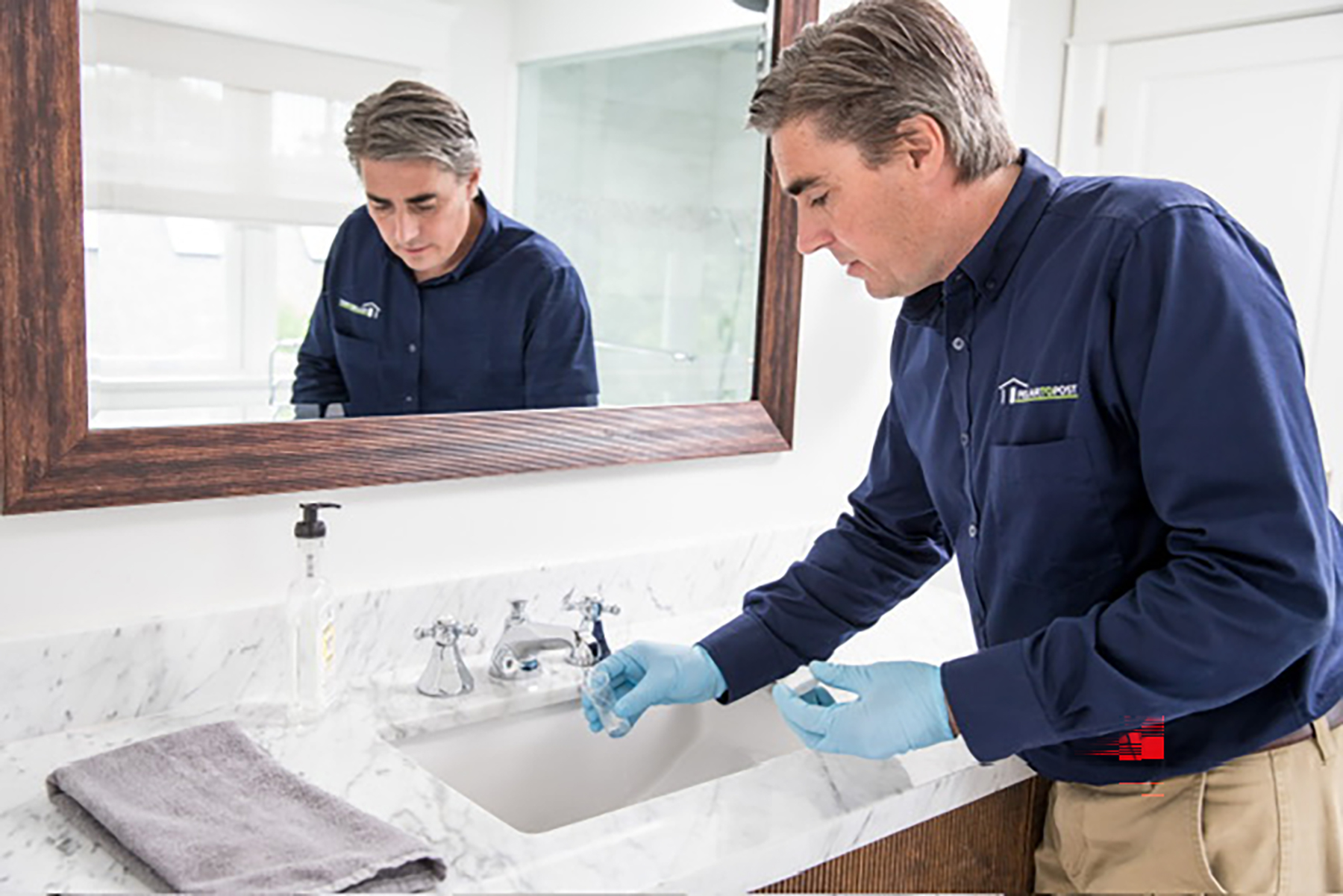
Mold is commonly found in bathrooms
The Heat and Humidity This Summer Offer a Breeding Ground for Mold
Summer can expose hidden weaknesses in a home”
TAMPA, FL, UNITED STATES, July 15, 2026 /EINPresswire.com/ -- Summer may be peak season for vacations, backyard gatherings, and home improvement projects, but July and August can also be peak season for moisture problems inside the home. Pillar To Post® Home Inspectors, North America’s largest home inspection company, is reminding homeowners that heat, humidity, summer storms, poor ventilation, and air-conditioning condensation can create conditions that allow mold and other moisture-related concerns to develop.— Charles Gravely, VP of Technical Standards and Development
Mold is not simply a cosmetic issue. It is often a sign that moisture is present where it should not be. The U.S. Environmental Protection Agency says the key to mold control is moisture control and recommends keeping indoor humidity below 60 percent, ideally between 30 and 50 percent. The Centers for Disease Control and Prevention advise homeowners to keep humidity levels as low as possible, no higher than 50 percent all day, and to make sure air flows freely through the home.
“Summer can expose hidden weaknesses in a home,” said Charles “Chuck” Gravely, P.Eng., M.Eng., vice president of technical standards and development for Pillar To Post Home Inspectors. “High humidity, roof or plumbing leaks, clogged gutters, wet basements, condensation around cooling systems and poor bathroom or kitchen ventilation can all contribute to mold growth. The most important thing homeowners can do is identify and correct the source of moisture, not just clean what they can see.”
Mold can appear as dark spots, fuzzy growth, staining or discoloration, but it is not always obvious. Musty odors, peeling paint, warped trim, damp drywall, recurring condensation on windows, or persistent basement humidity can all be signs that moisture is collecting inside the home. After flooding, leaks or storm-related water intrusion, time matters. FEMA notes that mold can begin growing on damp surfaces within 24 to 48 hours.
Summer moisture can also worsen other common household issues, including musty carpeting, swollen wood, window condensation, pest activity, dust mites, rotting trim, damaged drywall and odors in basements, crawl spaces, laundry rooms, and attics. In many cases, the problem begins long before visible mold appears.
Pillar To Post recommends that homeowners use the summer months as a reminder to check the areas most likely to collect moisture, including basements, crawl spaces, attics, bathrooms, laundry rooms, kitchens, under sinks, near water heaters, near HVAC equipment, around windows and along exterior walls.
Summer Mold Prevention and Moisture-Control Tips for Homeowners
• Track indoor humidity. Use an inexpensive humidity meter, or hygrometer, especially in basements and lower levels. The EPA recommends keeping indoor relative humidity below 60 percent and ideally between 30 and 50 percent.
• Look for the source, not just the stain. Mold cleanup will not solve the problem if the moisture source remains. Check for roof leaks, plumbing leaks, poor grading, clogged gutters, foundation seepage, condensation, or inadequate ventilation.
• Dry wet areas quickly. After a leak, overflow, flood or storm, remove standing water and dry wet surfaces as soon as possible. Damp building materials, carpeting, and drywall can become a mold concern quickly if moisture remains.
• Use exhaust fans properly. Run bathroom and kitchen exhaust fans during and after showers, cooking, and laundry. Make sure fans vent outdoors, not into an attic, wall cavity, or enclosed space.
• Pay attention to air conditioning. Air conditioning can help reduce humidity, but clogged condensate drains, dirty filters, poor airflow, or condensation around equipment can create moisture problems of their own.
• Keep water moving away from the house. Clean gutters and downspouts, extend downspouts away from the foundation, and make sure soil slopes away from the home to reduce basement and crawl space moisture.
• Do not paint or caulk over mold. Mold should be cleaned and the moisture problem corrected before cosmetic repairs are made. Covering it up does not address the underlying issue.
• Know when to call a professional. Small, localized mold on hard surfaces may be manageable for some homeowners, but larger areas, recurring mold, mold related to HVAC systems, floodwater contamination or mold in hidden wall cavities should be evaluated by qualified professionals.
• Consider a professional home inspection. A home inspection can help identify visible moisture concerns, drainage issues, ventilation problems, exterior vulnerabilities, and other conditions that may contribute to mold growth.
“As homes work harder during the summer, homeowners should pay attention to what their house is telling them,” Gravely said. “A musty odor, damp basement, recurring condensation or staining around walls and ceilings should not be ignored. The earlier moisture issues are found, the easier they usually are to address.”
Pillar To Post Home Inspectors encourages homeowners to think of mold prevention as part of routine summer maintenance. The goal is not simply to remove visible mold, but to understand why moisture is present and stop it before it affects comfort, indoor air quality, property value, or long-term home performance.
####
About Pillar To Post® Home Inspectors
Founded in 1994, Pillar To Post Home Inspectors is the largest home inspection company in North America with home offices in Toronto and Tampa. There are over 350 franchises located across the United States and Canada and 85,000 5-Star Google Reviews on record to date. For further information, please visit www.pillartopost.com.
Rhonda Sanderson
SandersonPR
+1 847-612-9829
Rhonda@sandersonpr.com
Legal Disclaimer:
EIN Presswire provides this news content "as is" without warranty of any kind. We do not accept any responsibility or liability for the accuracy, content, images, videos, licenses, completeness, legality, or reliability of the information contained in this article. If you have any complaints or copyright issues related to this article, kindly contact the author above.
