
Mexico Puts Community Tourism at the Center of Its Next Chapter
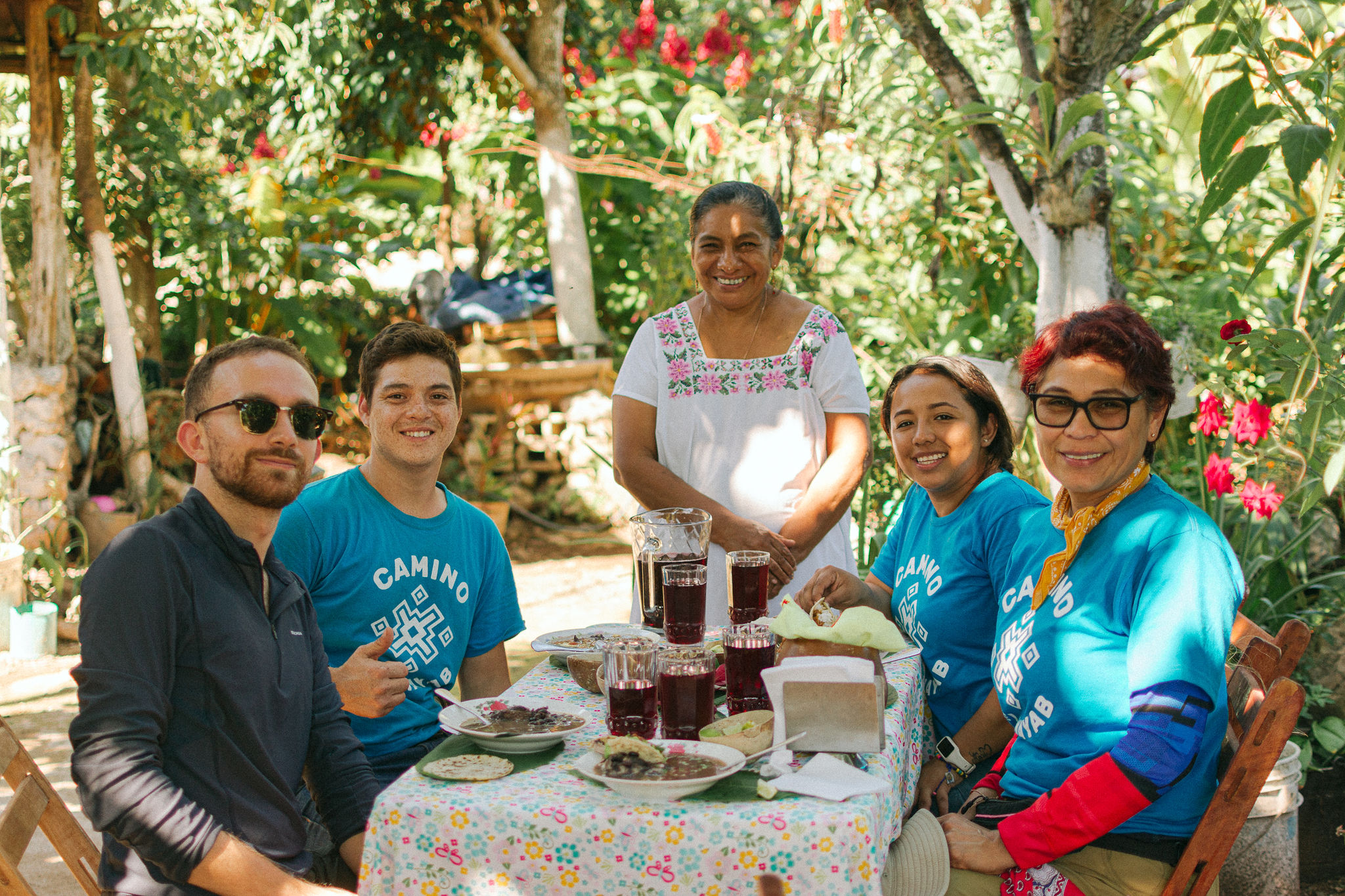
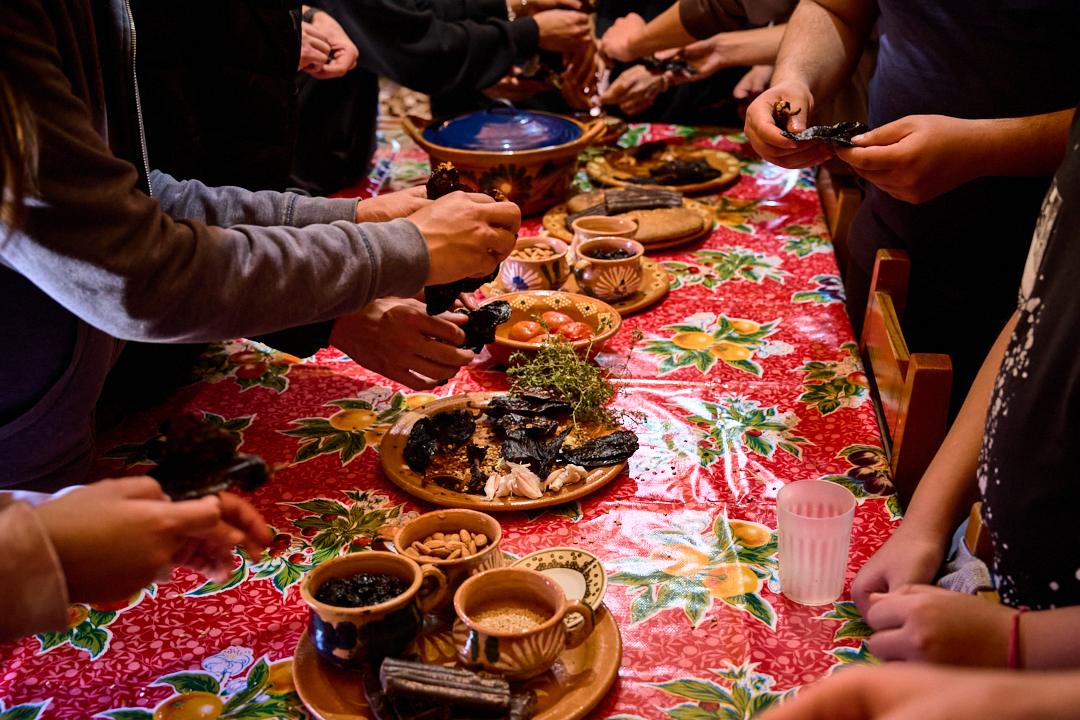
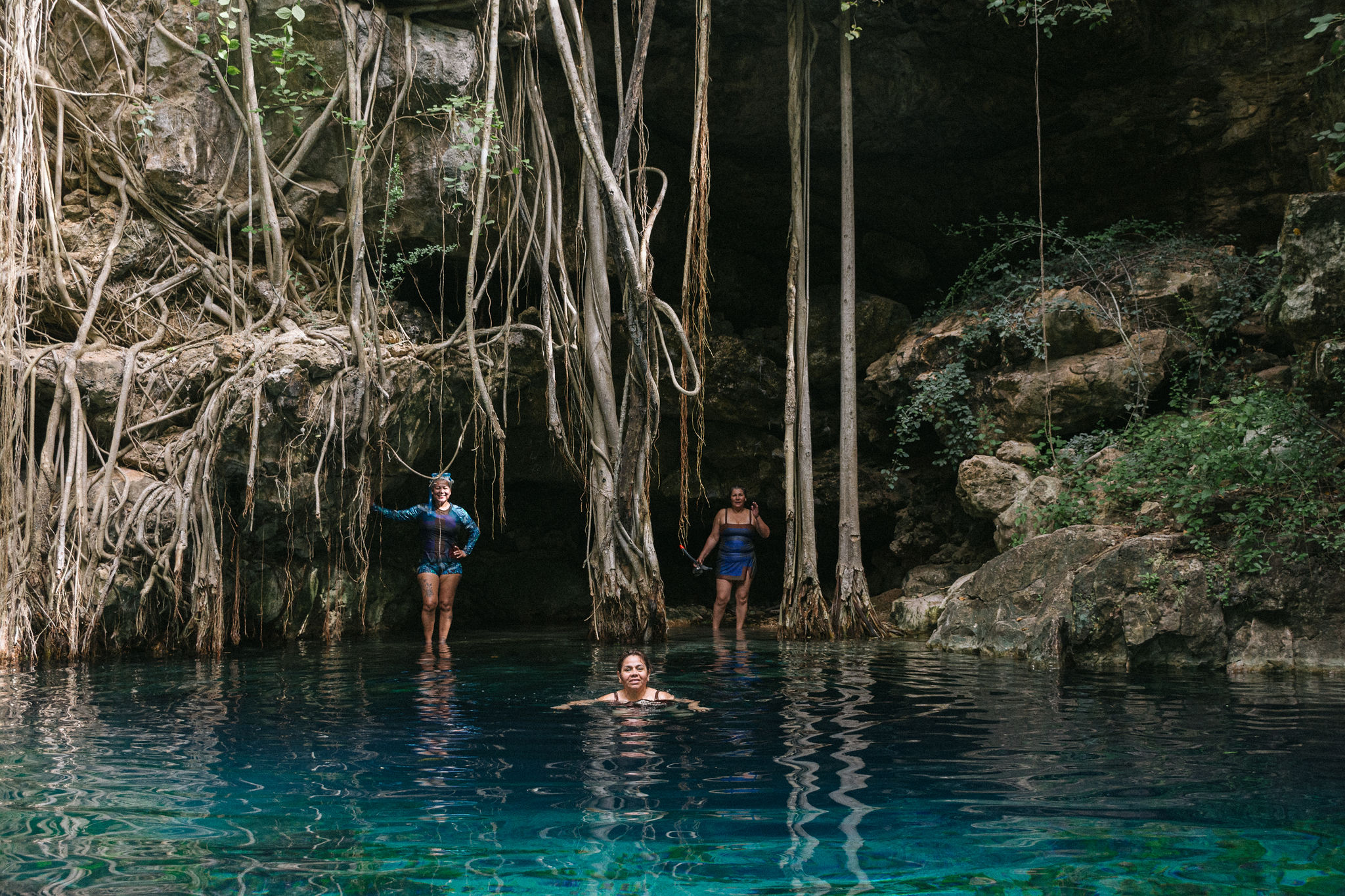
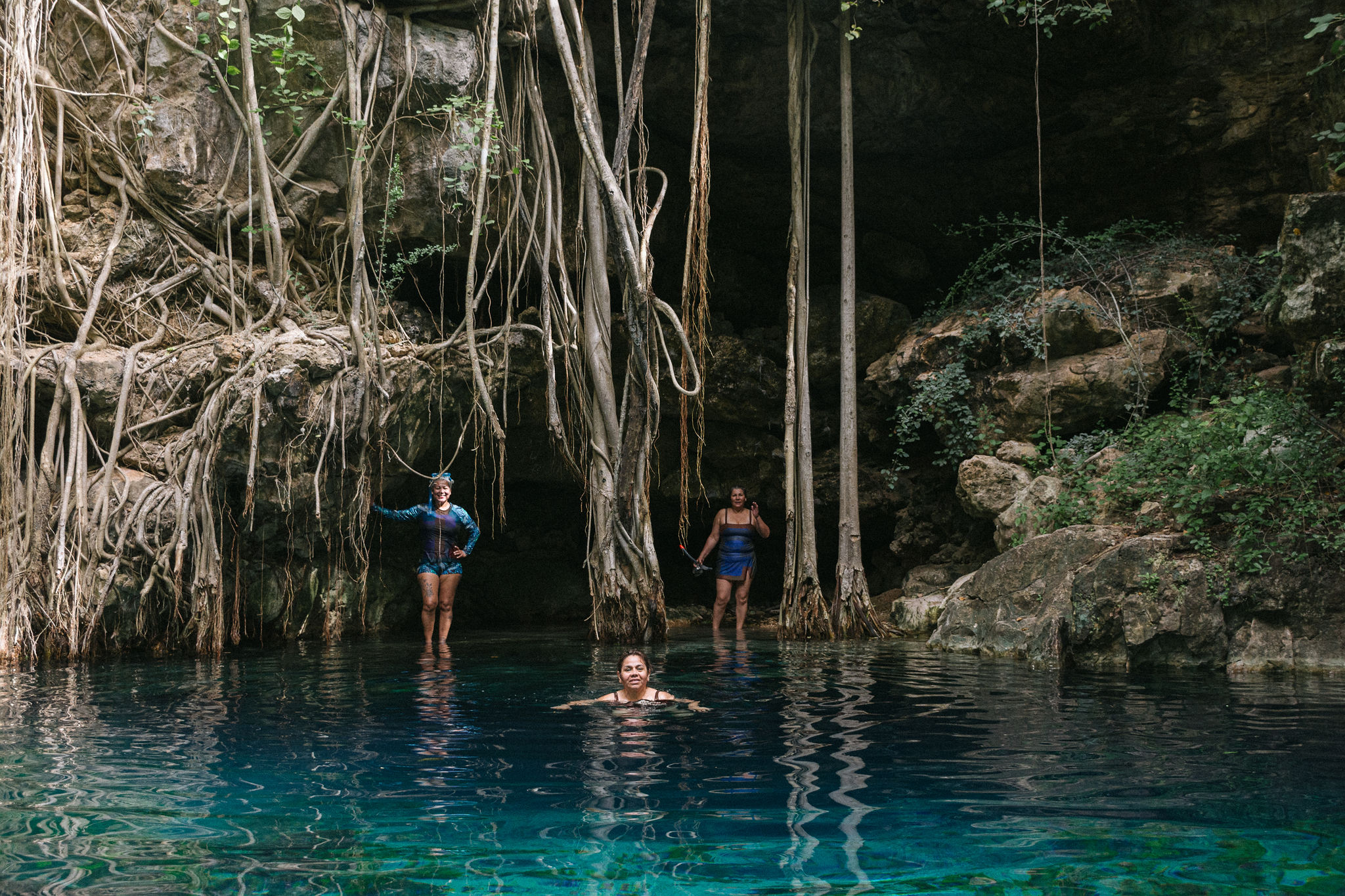
Beyond Mexico’s celebrated beaches and resorts lies another way to experience the country: hiking through Indigenous-managed forests, learning recipes alongside traditional cooks, cycling between Yucatecan communities, meeting artisans in their workshops and exploring landscapes protected by the people who have called them home for generations.
Mexico is putting those experiences at the center of a new national tourism strategy after declaring community-based tourism an activity of public interest and a national priority, establishing a framework designed to strengthen local economies while protecting the country’s natural and cultural heritage.
The initiative initially focuses on three destinations that illustrate the diversity of community tourism in Mexico: Maya Ka’an in Quintana Roo, Camino del Mayab in Yucatan and Pueblos Mancomunados in Oaxaca. Together, they present travelers with experiences spanning ecotourism, outdoor adventure, gastronomy, Indigenous culture, traditional arts and immersive creative travel.
The National Tourism Development Fund, or Fonatur, will coordinate the initiative and direct investment toward infrastructure, tourism facilities and services, working with communities to develop destinations in which local cooperatives and community-based enterprises play a central role in the visitor economy.
For travelers from the United States and Canada, the initiative introduces a side of Mexico that complements the country's established resort destinations while responding to growing interest in nature, active travel, food, culture and more meaningful connections with the places people visit.
Three Destinations, Three Ways to Experience Mexico
1. Maya Ka’an, Quintana Roo: South of the state's major Caribbean resort corridors, Maya Ka’an encompasses 76 communities across Felipe Carrillo Puerto and José María Morelos. Travelers encounter a living Maya landscape where nature, culture, and community are intertwined through low-impact ecotourism, heritage trails, and craft workshops. Fonatur and the State of Quintana Roo signed an agreement in August, committing 20 million pesos to signage, public-space revitalization, urban image improvements, and the consolidation of the Guerra de Castas historical route.
2. Camino del Mayab, Yucatán: This regional network connects rural communities, cenotes, and nature reserves through sustainable trails, encouraging travelers to slow down and explore the Yucatán Peninsula on foot or by bicycle. Fonatur and state authorities are collaborating on planning, trail infrastructure, maintenance, and international promotion to establish the route as a premier Community Tourism Destination.
3.Pueblos Mancomunados, Oaxaca: Located in Oaxaca’s Sierra Norte, this eight-village alliance is one of Mexico’s foundational benchmarks for community-owned tourism. High-altitude mountain terrain provides world-class hiking and mountain biking managed entirely through local assembly governance. A bilateral agreement with Fonatur this year directs targeted infrastructure investments prioritized by the community assemblies themselves.
From Ecotourism to Culinary and Creative Travel
The federal framework unites several rapidly growing travel segments under a single community-first standard:
· Ecotourism and outdoor adventure can connect visitors with forests, jungles, cenotes, wildlife and rural landscapes through activities such as hiking, cycling and nature exploration, while supporting communities that play a direct role in protecting those environments.
· Culinary tourism brings travelers closer to the people behind Mexico's food traditions — from traditional cooks and farmers to producers and community enterprises — allowing meals to become an introduction to ingredients, agricultural traditions and regional identity.
· Creative tourism can provide another point of entry. Rather than simply purchasing a finished craft, travelers can learn about the techniques, materials and cultural meaning behind traditional arts through encounters with artisans and workshops. At the 2026 Tianguis Turístico, a representative of Oaxaca's Pueblos Mancomunados summarized this shift as one where "the traveler becomes an invited guest and the local operator acts as host"—grounding tourism in mutual respect rather than mere consumer transactions.
A Different Way to Discover Mexico
Mexico's community tourism strategy invites international travelers to rethink the destination. By aligning outdoor recreation and cultural immersion with grassroots conservation, Mexico is establishing a model where its greatest assets—its communities, traditions, and ecosystems—remain protected and governed by the hands that built them.
For more information please visit: https://www.gob.mx/fonatur
For Photos: click here!
Media Contact: Carlos Lopez / carlos@enroutecommunications.com
Juan C Lopez Flores
ENroute Communications
+1 917-438-7096
email us here
Visit us on social media:
Facebook
X
Legal Disclaimer:
EIN Presswire provides this news content "as is" without warranty of any kind. We do not accept any responsibility or liability for the accuracy, content, images, videos, licenses, completeness, legality, or reliability of the information contained in this article. If you have any complaints or copyright issues related to this article, kindly contact the author above.
